Muriatic Acid Costs: Existing regarding Sector Analysis
Muriatic Acid Costs: Existing regarding Sector Analysis
Blog Article
The muriatic acid price market is now seeing significant change driven by a multifaceted mix of influences. International logistics disruptions, increasing component prices, particularly linked to methane – a key feedstock – are primarily contributing to the upward pressure. Consumption remains robust across various industries, such as steel production, chemical processing, and water purification. Area disparities in values persist due to shipping charges and specific economic conditions. Researchers forecast ongoing price fluctuations in the coming months while long-term equilibrium is contingent upon mitigating supply chain constraints and international economic environment.
HCl Price Per US Ton: A Complete Guide
Understanding the current cost of muriatic acid per US ton is critical for businesses that employ it. Numerous influences impact this value, such as precursor expenses , manufacturing expenses , shipping costs, and general trade climate . Usually , the cost can range significantly, from approximately $low_price_range to $high_price_range per metric ton , hinging on grade , geographic area , and supplier . The guide will explore these influences in more depth , supplying information into forecasting future muriatic acid costing patterns.
Hydrochloric Acid Bulk Price: Factors Influencing Costs
The current rate of bulk hydrochloric acid is considerably affected by a variety of considerations. Input sourcing, particularly salt , plays check here a major function, as it’s the primary material for its creation. Energy costs , necessary for the chlor-alkali method, immediately impact muriatic acid charges. Shipping costs, which copyright on gasoline costs and distribution system availability , also contribute to the overall outlay . Finally, commercial demand from diverse applications like metals manufacturing and agricultural treatment can establish rate fluctuations .
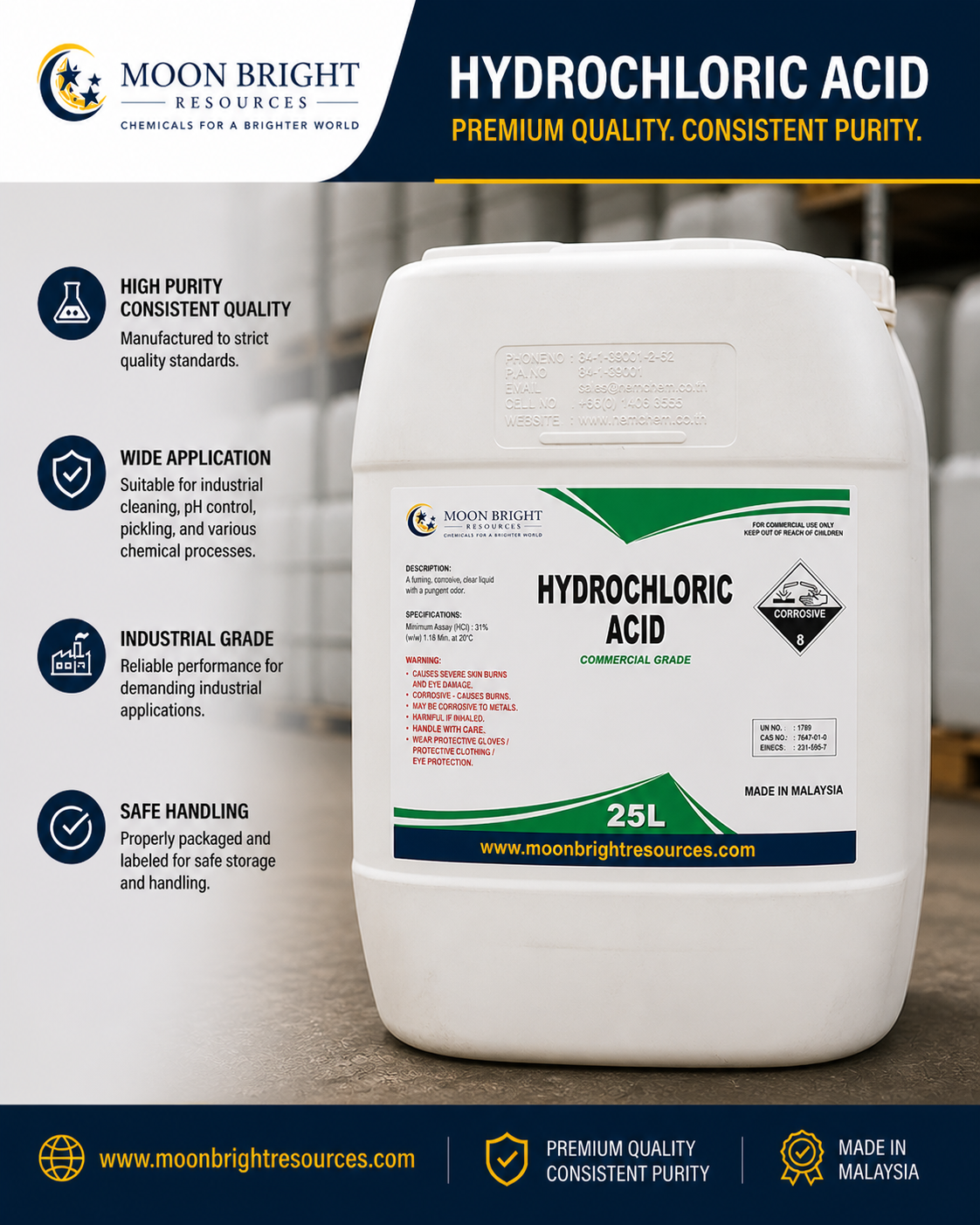
Here's a summary of influencing factors:
- Raw Material Value
- Power Costs
- Shipping Charges
- Sales Demand
Understanding Hydrochloric Acid Bulk Pricing Strategies
Navigating the challenging landscape of hydrochloric muriatic acid bulk pricing is a keen understanding of several variables. The price of large-volume hydrochloric acquisitions isn't simply a fixed number; it fluctuates based on availability, demand, shipping charges, and quality specifications. Often, suppliers offer graduated pricing structures, whereby larger amounts unlock lower each prices. Furthermore, contract agreements often secure improved rates compared to individual purchases. Consider in addition the impact of currency rates and any applicable taxes when evaluating quotes from various providers.
Here’s a brief look at key considerations:
- Volume Discounts: Large shipment sizes often qualify for sizeable price decreases.
- Contract Agreements: Extended contracts often provide greater price certainty.
- Delivery Expenses: Freight rates can significantly affect the overall cost.
- Grade Standards: Higher grade hydrochloric HCl commands a premium cost.
Locating Regarding Buy Muriatic Acid In Large Volumes : Trusted Suppliers & Expenses
Securing muriatic acid bulk requires diligent assessment of suppliers . Numerous chemical businesses offer the product , but selecting a reputable supplier is crucial . Common options include large-scale industrial providers, niche chemical companies , and sometimes manufacturer sales . Prices fluctuate significantly based on volume acquired, purity , delivery location , and market conditions . Expect costs to range from approximately $ $0.70 to $ $2.50 per liter for commercial grade , with substantial orders qualifying for volume discounts . Always obtain proposals from several distributors to compare rates and confirm advantageous rates.
Acid Price Fluctuations: What Impacting the Sector?
Recent changes in HCl rates have caused significant concern across various industries . Several factors are now driving these movements . Basic costs, particularly connected with Cl2 and H2 , have witnessed substantial rises , essentially affecting HCl manufacturing expenditures. Furthermore, distribution interruptions , originating in international events and regional limitations , are compounding the scenario. Finally, fluctuations in demand from key consuming fields like purification and chemistry production play a critical function in determining the overall industry landscape .
- Input costs
- Distribution disruptions
- Demand from consuming sectors